
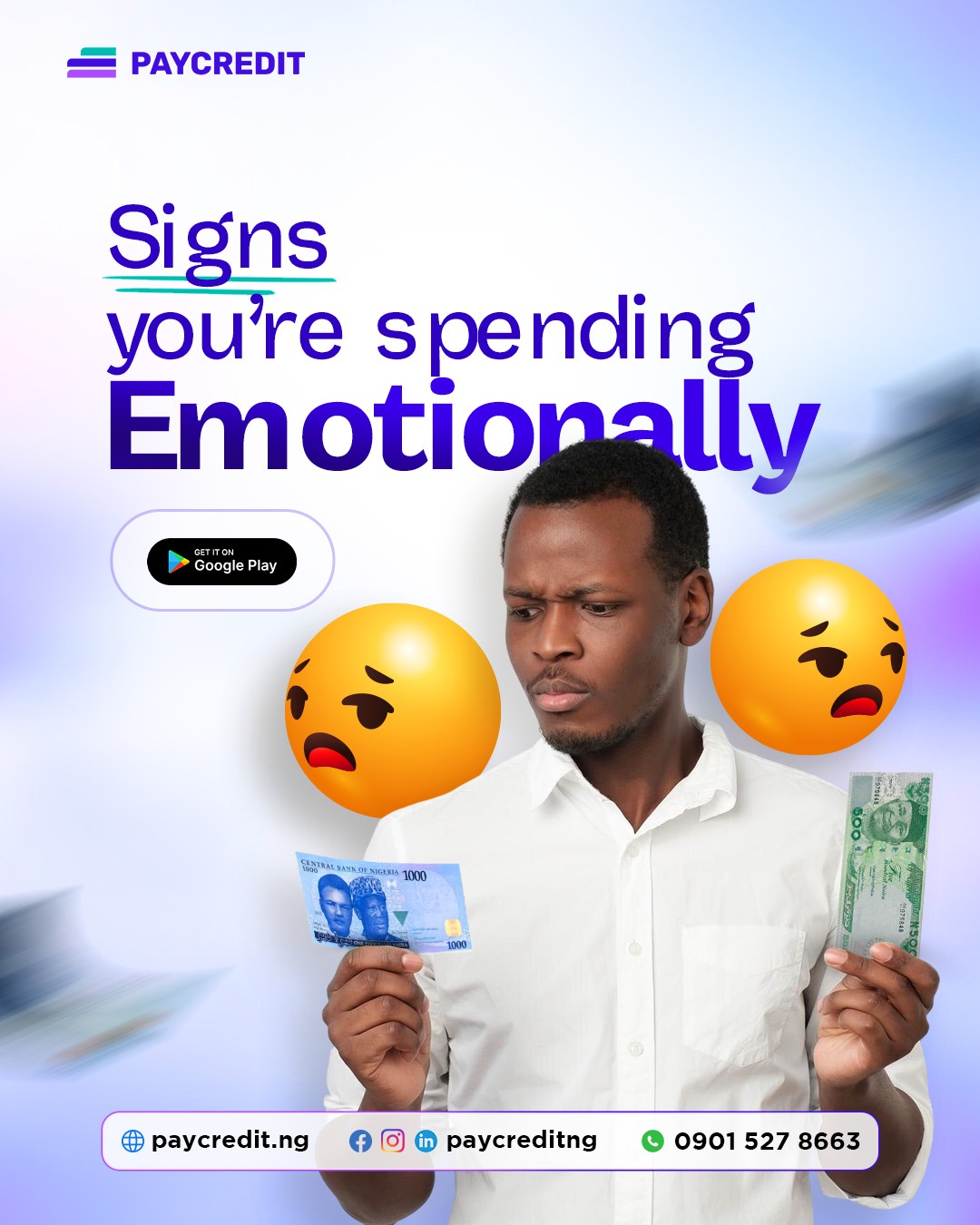
Have you ever bought something you didn’t plan for — not because you needed it, but because you were stressed, bored, excited, or trying to feel better? That’s emotional spending, and it’s more common than you think.
Recognizing the signs is the first step to taking control.
What Is Emotional Spending?
Emotional spending happens when purchases are driven by feelings rather than needs or plans. It often feels good in the moment, but regret usually follows later.
Common Signs You’re Spending Emotionally
1. You Buy Things When You’re Stressed or Upset
Shopping becomes a coping mechanism when emotions run high.
2. You Make Impulse Purchases Without Planning
If you buy first and think later, emotions may be in control.
3. You Feel Regret After Spending
That “Why did I buy this?” feeling is a major red flag.
4. You Spend to Impress or Keep Up
Buying things to match others or social pressure is emotional spending.
5. You Avoid Checking Your Account Balance
Ignoring your finances can be a sign of guilt or fear linked to spending.
Why Emotional Spending Is Risky
While it offers short-term comfort, emotional spending can:
-
Drain your income quickly
-
Disrupt your budget
-
Increase reliance on borrowing
-
Create long-term financial stress
How to Regain Control
-
Pause before buying and ask, “Do I need this?”
-
Stick to a budget and track spending
-
Find healthier ways to manage emotions
-
Borrow only when necessary and with a clear plan
Borrow With Intention
If you need financial support, choose credit wisely. PayCredit offers fast, transparent loans between ₦5,000–₦50,000 to help with real needs — not impulse spending.
Final Thought
Your emotions matter — but they shouldn’t control your finances. Awareness, intention, and planning can help you break the cycle.
Recognize the signs. Take control.
And when you need support, PayCredit is here.